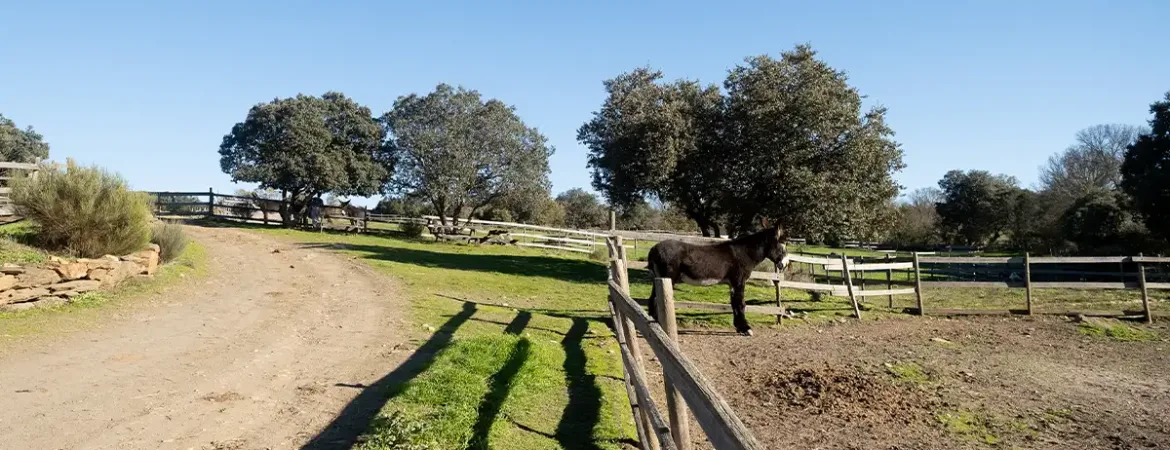
In the picturesque region of Trás-os-Montes, Portugal, the Mirandese Donkey stands tall, not just in stature but also in cultural significance. Revered for its resilience, intelligence, and gentle disposition, this unique breed has woven itself deeply into the fabric of local communities, symbolizing tradition, solidarity, and sustainable living. For generations, the Mirandese Donkey has been an indispensable partner to farmers, serving faithfully in agricultural endeavors and forging strong bonds with its human counterparts. Initiatives led by groups like the AEPGA (Associação para o Estudo e Proteção do Gado Asinino) focus on breeding programs, education, and advocacy to ensure the Mirandese...
Vinho Verde, literally translating to “Green Wine,” hails from the verdant landscapes of northern Portugal. This unique premium wine is renowned for its light, crisp, and slightly effervescent character, making it a refreshing choice for wine enthusiasts. Produced in the Minho region, Vinho Verde is not green in color but rather named for its youthful freshness. It can be either white, red, or rosé, though the white variety is the most widely known. The Atlantic Ocean’s influence provides a cool, damp environment ideal for growing the grapes that give this wine its characteristic acidity and slight fizz. The flavors of...
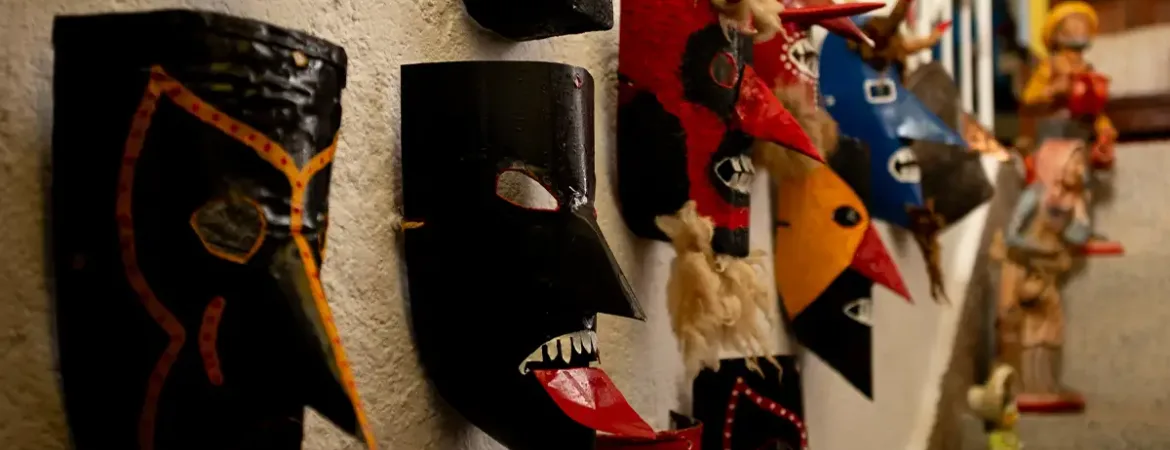
In the remote and picturesque region of Trás-os-Montes in northern Portugal, the tradition of masks is a vivid and ancient cultural practice that continues to captivate both locals and visitors. This tradition, deeply rooted in the area’s rural communities, features prominently in several festivals throughout the year, particularly during winter and early spring. The most famous of these celebrations is the Festas dos Rapazes (Boys’ Festivals), held around the New Year, where young men don elaborately carved and brightly painted masks. These masks, often representing mythical figures, animals, or exaggerated human features, are made from wood, leather, or other local...
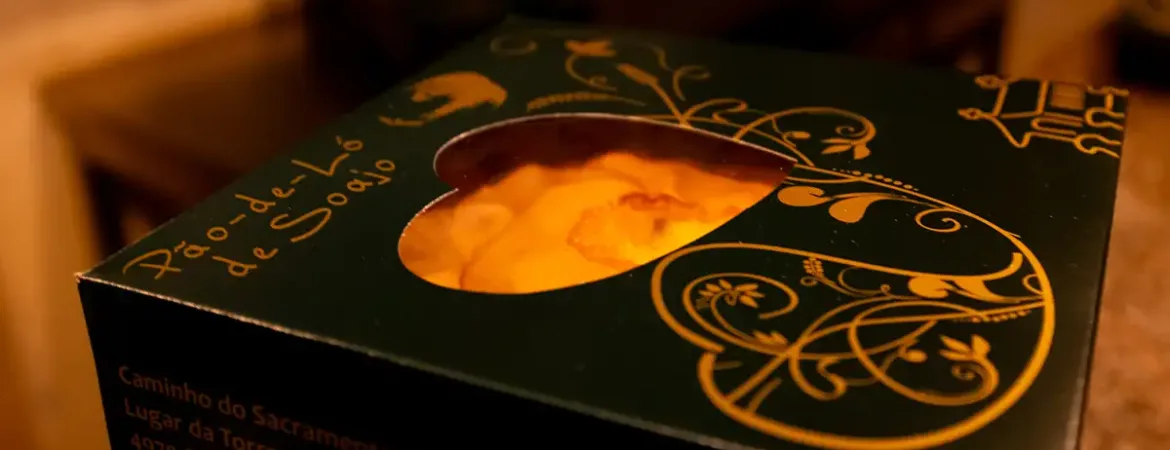
In the heart of the Soajo region, nestled within the scenic Peneda-Gerês National Park, lies a culinary treasure: Pão de Ló do Soajo. This traditional Portuguese sponge cake, known for its light and airy texture, is a beloved delicacy that has been prepared over generations. Pão de Ló do Soajo is made using simple, high-quality ingredients—eggs, sugar, and flour—that are carefully combined to create its distinctive, fluffy consistency. The people of Soajo take great pride in this sweet tradition, which is more than just a dessert; it is a symbol of their cultural heritage and hospitality. Pão de Ló is...
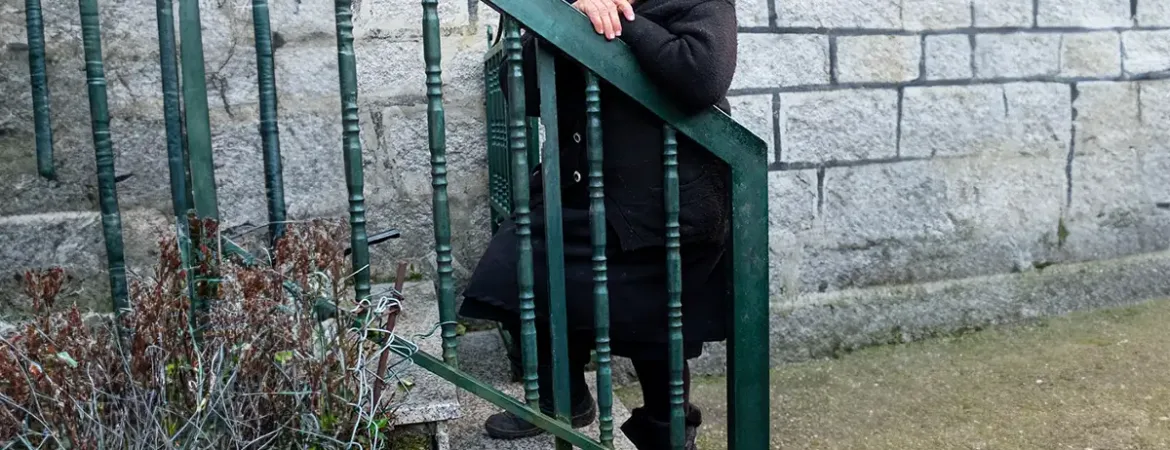
Tucked away in the scenic Peneda-Gerês National Park, Gavieira is a charming village that embodies the essence of rural Portugal. Surrounded by forests and mountain landscapes, Gavieira is a haven for those seeking tranquility and a connection to nature. The villagers of Gavieira are known for their strong sense of community and dedication to preserving their traditional way of life. Agriculture and livestock farming remain central to their existence, with many families practicing age-old farming techniques passed down through generations. Gavieira is also a place where traditions are deeply cherished. Festivals, local crafts, and culinary traditions are integral to the...
Located in the rugged mountains of northern Portugal, at more than 1.100 meters,Castro Laboreiro is a village steeped in history and tradition. Known for its picturesque landscapes and rich cultural heritage, this village is home to a resilient community that celebrate its heritage and customs. The people of Castro Laboreiro are renowned for their deep connection to the land and their practice of transhumance—a centuries-old tradition of seasonal livestock migration. Each year, farmers move their cattle between the high summer pastures and the lower winter grazing grounds, a practice that not only sustains their way of life but also preserves...